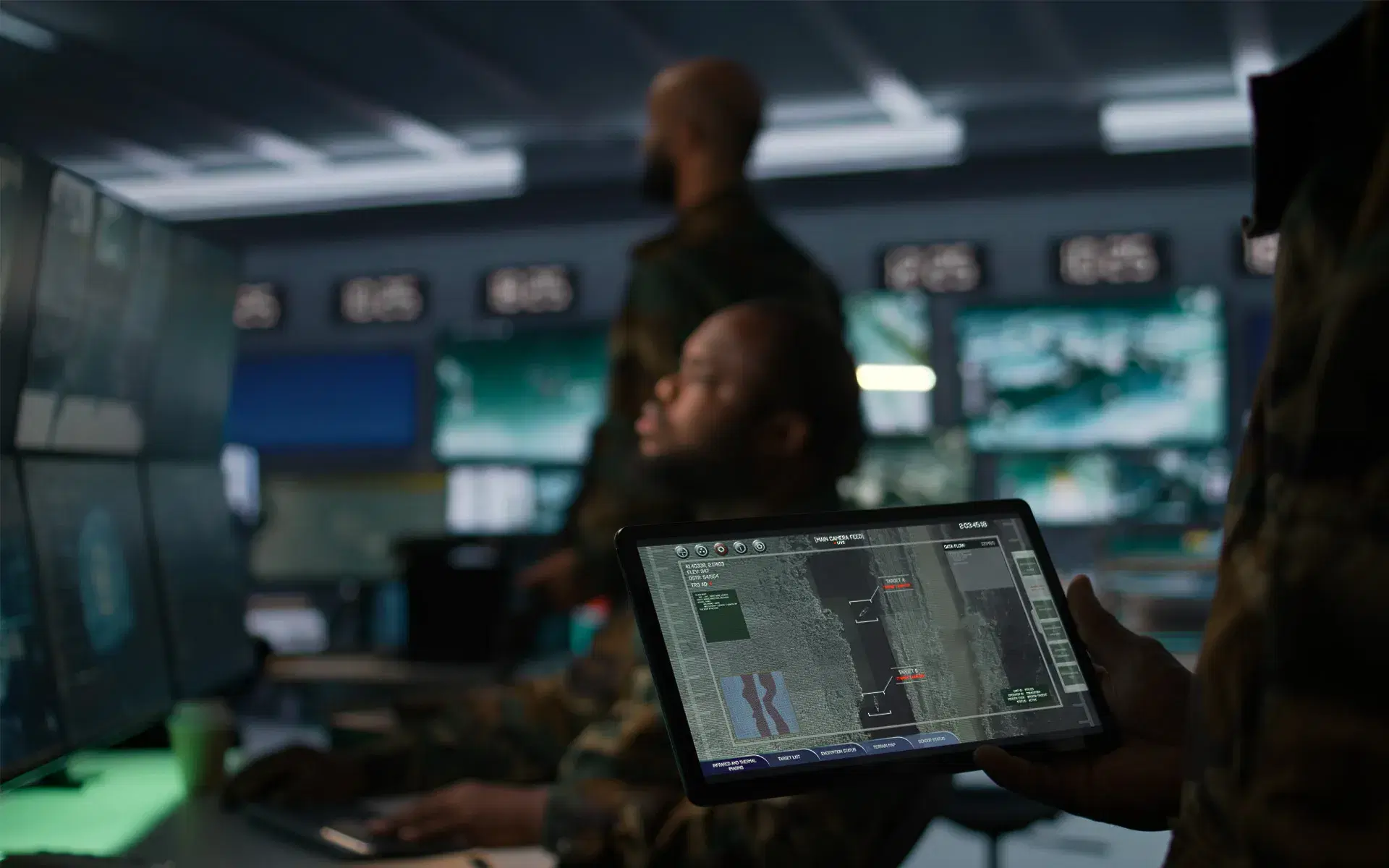
One operational picture for Fire, Police, and First Responders.
Reduce response time when every second counts. TROP connects administration, emergency services, and the local community into a single operational picture - even when the internet or cellular networks fail.
- Common Operational Picture (COP) for all participants
- Incident reporting and notifications that work even without GSM and internet (offline + mesh)
- Security by design: air-gap, mTLS, E2E, TPM/Secure Enclave, AES256
Responsibilities of the Municipality in the Field of Crisis Management
Article 19 of the Act of 26 April 2007 on Crisis Management (consolidated text: Journal of Laws 2023, item 122).
| Legal obligation | How does TROP address it? |
|---|---|
| 24/7 information flow and threat monitoring. | Duty officers and decision-makers operate on a single, shared situational picture. Incidents (e.g., flooding, infrastructure failures, fires) are plotted on the map in real time, and information is routed to the appropriate units without the need for repeated phone calls. |
| Warning and alerting the population. | The system enables defining threat zones directly on the map and quickly activating alerts for services and units operating in the affected area. Information reaches those who need it without delays or ambiguous messages. |
| Managing evacuation from affected areas. | TROP allows planning and visualizing evacuation routes and assembly points. Administration maintains real-time oversight of task execution and can track the movement of transport resources and field teams. |
| Protection of critical infrastructure (e.g., water intake, energy). | Critical infrastructure facilities are marked on the map along with protection zones. In case of failure, the impact area, operational priorities, and assigned response teams are immediately visible. |
Responsibilities of the County in the Field of Crisis Management
Article 17 of the Act of 26 April 2007 on Crisis Management (consolidated text: Journal of Laws 2023, item 122).
| Legal obligation | How does TROP address it? |
|---|---|
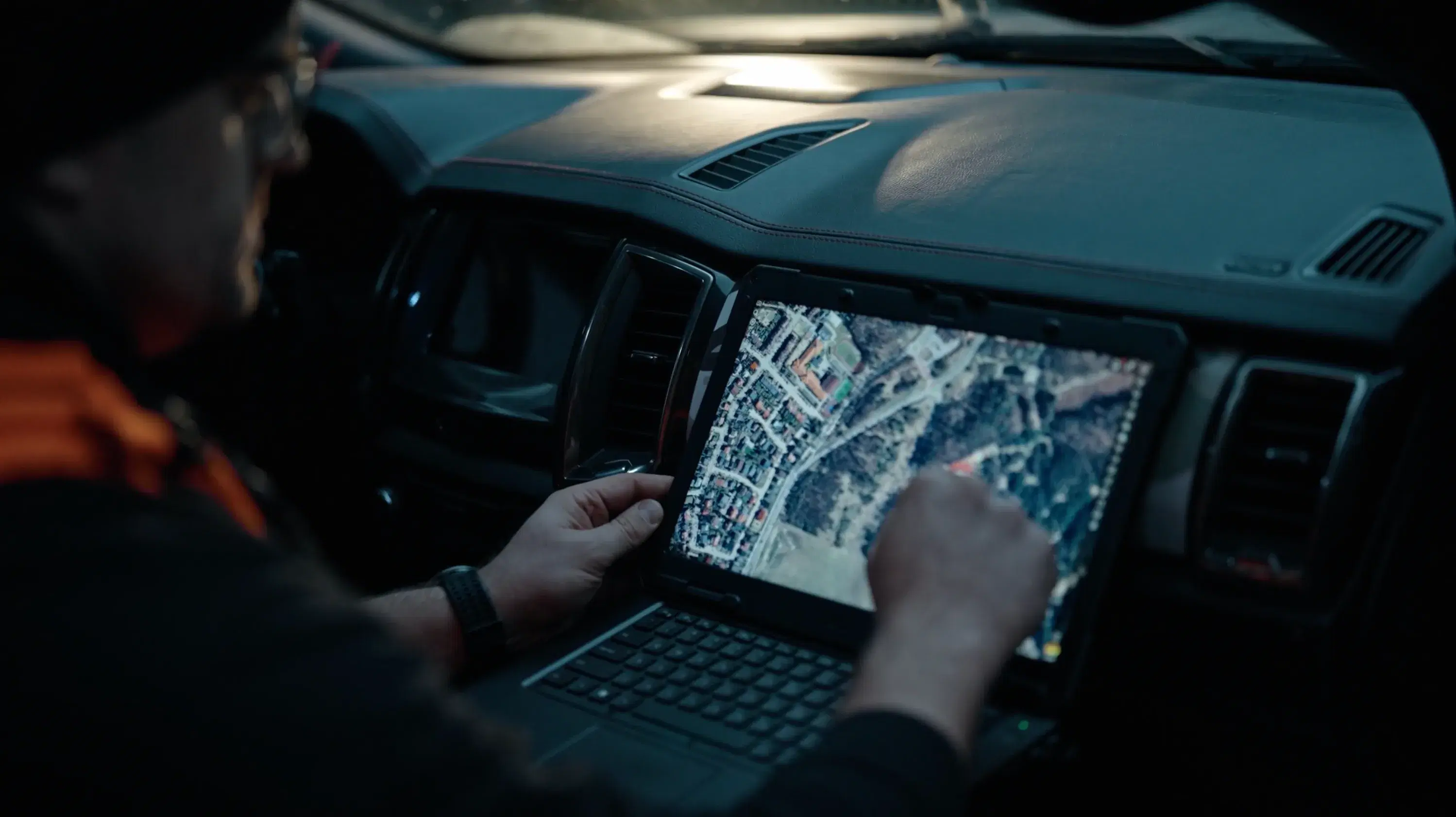
| Coordination of activities across more than one municipality. | The District Governor and the County Crisis Management Center can view the situation across all subordinate municipalities on a single screen. The system creates a unified Common Operational Picture, facilitating decision-making and inter-unit coordination. |
| Collection and processing of data on forces and resources. | Resources (equipment, warehouses, teams) are digitally inventoried and linked to location. Current availability status can be checked directly on the map without relying on fragmented spreadsheets and reports. |
| Cooperation with services and other entities. | TROP provides a shared data layer for Police, Fire, EMS, and other services. It enables sharing positions, zones, markers, and tasks, improving real-time operational coordination. |
Floods and flash floods
Dynamic threat zones, evacuations, resources on the map (pumps/sandbags/generators).Fires and large-scale rescue operations
Shared situational picture + field team positions in limited visibility conditions.Blackout and infrastructure failures
Coordination of power / water / telecom crews, marking faults, No-Go Zones, detours.Storms and damage response
Rapid damage assessment: geotagged photos, repair priorities, documentation.Mass events and public safety
Silent coordination, safety zones, “panic button,” medic deployment.Search and Rescue (SAR)
Sectoring, responder GPS tracks, elimination of “empty runs.”
Use case scenarios
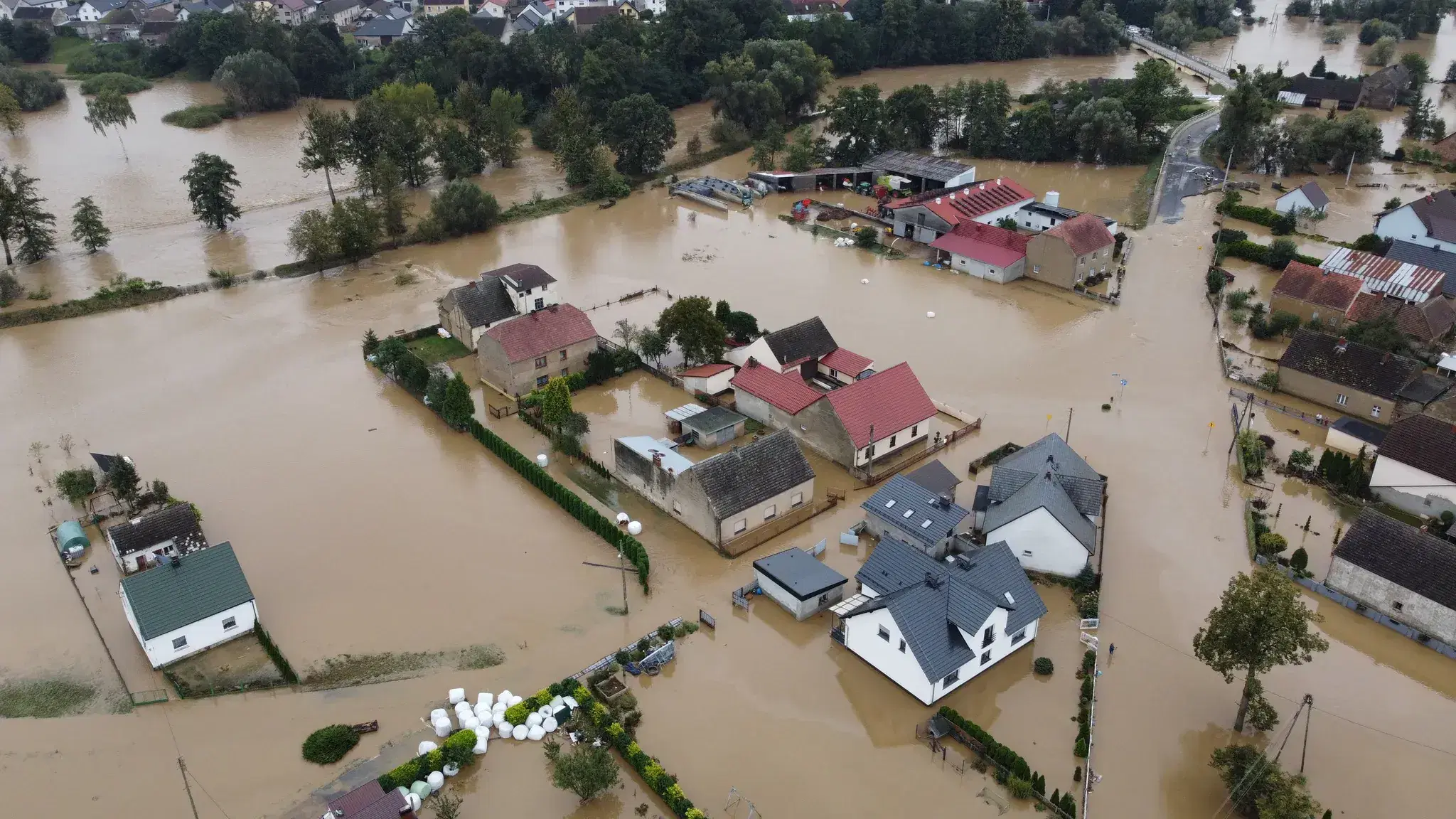
Flood in Poland (September 2024)
The scale of the floods in September 2024 and the simultaneous actions of hundreds of local government units and emergency services demonstrated how critical access to a shared operational picture is. In conditions of rapidly changing threats, the lack of a unified tool for information exchange, resource location, and coordination of activities significantly hinders effective response. These events highlighted the need to implement systems that enable real-time situation monitoring, integration of data from multiple sources, and efficient cooperation between municipalities, counties, and services responsible for public safety.
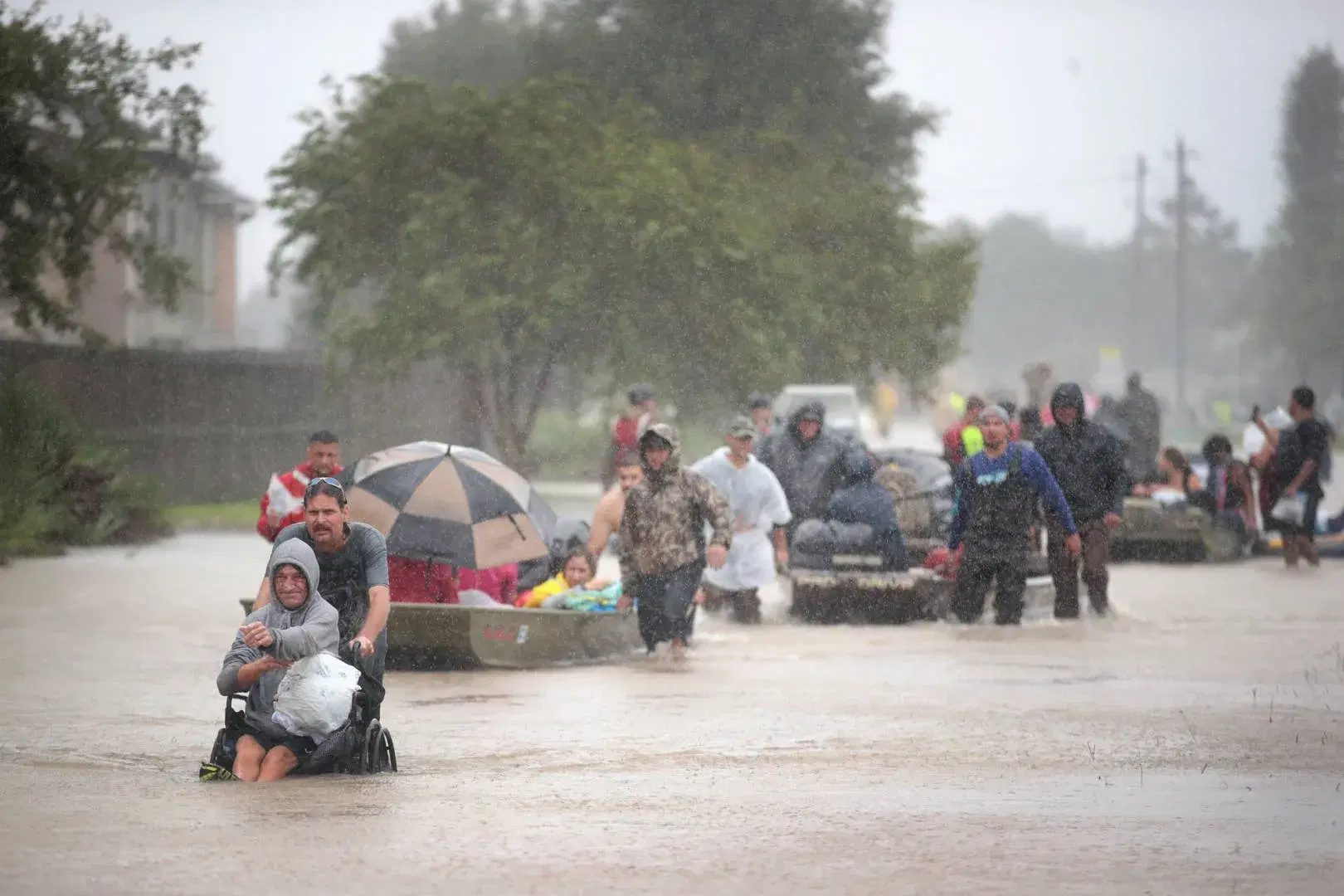
Hurricane Harvey (USA, 2017)
Use of ATAK by DHS S&T
During Hurricane Harvey in 2017, the ATAK application was used by various agencies involved in rescue operations supported by the DHS Science & Technology Directorate. The system enabled the creation of a shared operational picture by providing access to team locations, field reports, and hazard data. As a result, teams operating within different organizational structures were able to coordinate their activities more effectively and respond more quickly to the evolving situation.
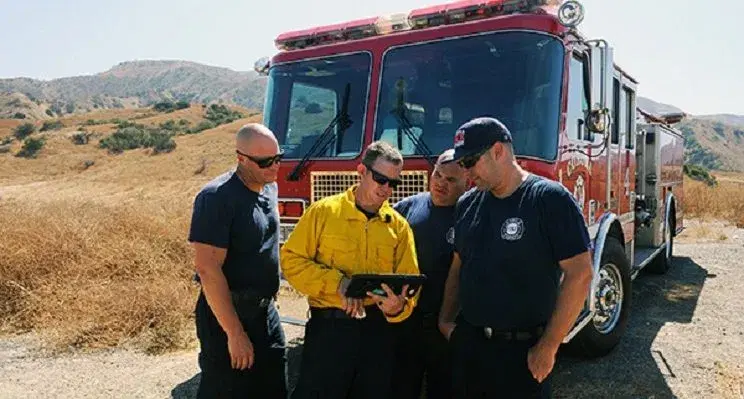
Corona Fire Department (California)
ATAK in fire and SAR operations
The ATAK system has been used by the Corona Fire Department in California during firefighting operations and Search and Rescue activities. The tool allows teams operating in the field to share information about unit locations, hazards, and the current operational situation. Thanks to the shared situational picture, coordination between teams improved, and radio communication was reduced to the most essential messages, increasing operational efficiency in dynamic conditions.
Ukraine
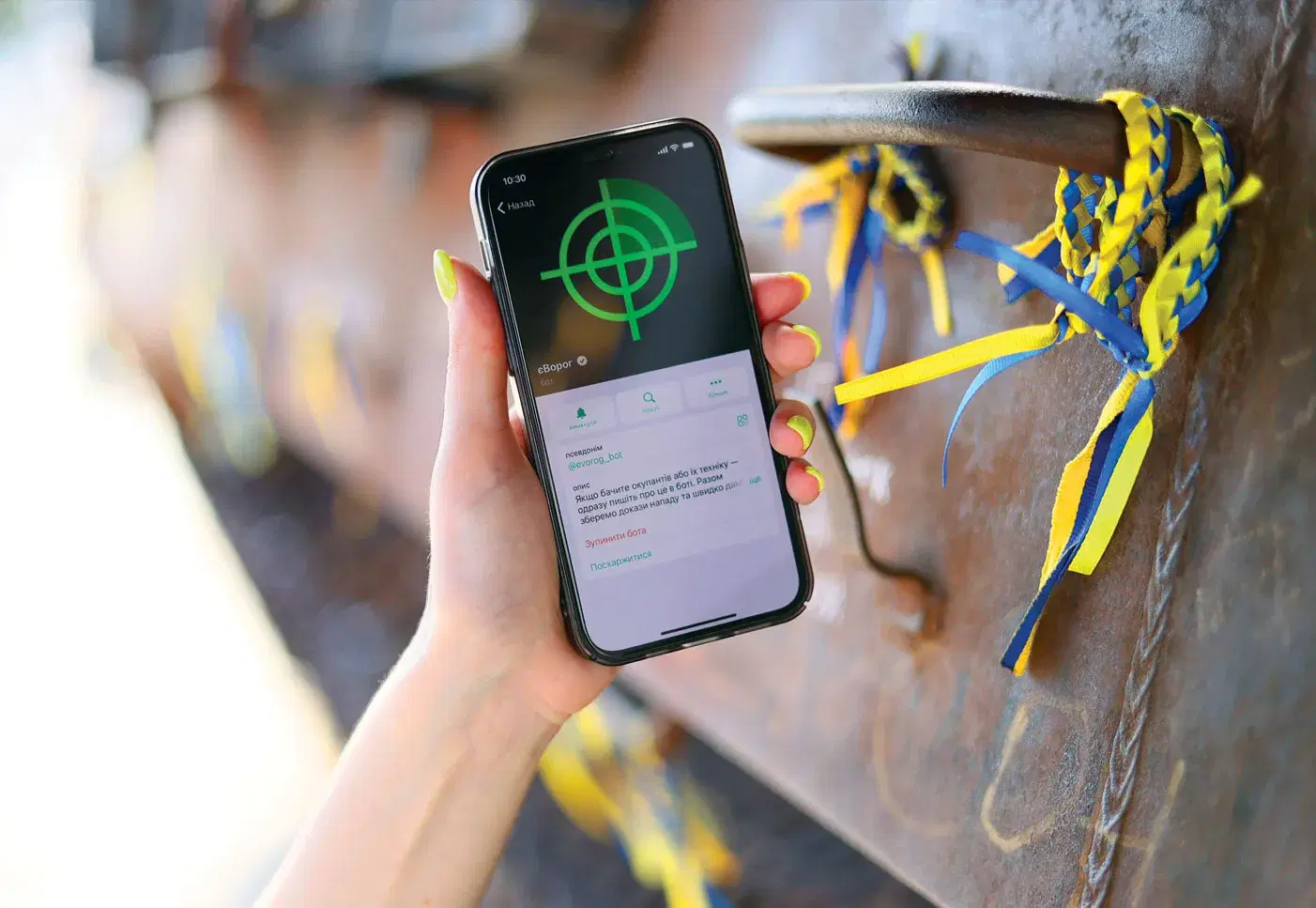
eVorog/Diia and the use of citizen reporting
In Ukraine, solutions such as eVorog and the Diia application allow citizens to report information about threats and activities in the field. After verification, these reports can be used by services and state institutions as a supplement to the operational picture. This example demonstrates how structured data provided by citizens-when properly filtered and analyzed-can support situational awareness systems and decision-making processes in dynamic operational environments.